Understanding how pain behaves allows treatment to be more effective.
Knee Pain Treatments
Reduce Pain. Restore Stability.
Knee pain can make everyday movement feel unpredictable. Walking, squatting, climbing stairs, or exercising may suddenly come with hesitation or discomfort. For many people, knee pain lingers or returns because the real cause was never fully addressed.
Effective knee pain care focuses on how the knee works with the hips, ankles, muscles, and nervous system. Treatment at Rehab Lab Wisconsin is designed to reduce pain while restoring stability, strength, and control so the knee can handle real life demands again.
Why Knee Pain Develops
Knee pain rarely starts in the knee alone. Poor hip strength, limited ankle mobility, muscle imbalance, or faulty movement patterns often place excess stress on the joint. Over time, this stress leads to irritation, stiffness, and pain.
Repetitive activities, prolonged sitting, training errors, and past injuries can all contribute. When surrounding muscles do not support the knee properly, the joint absorbs more load than it should.
Treating the System, Not Just the Joint
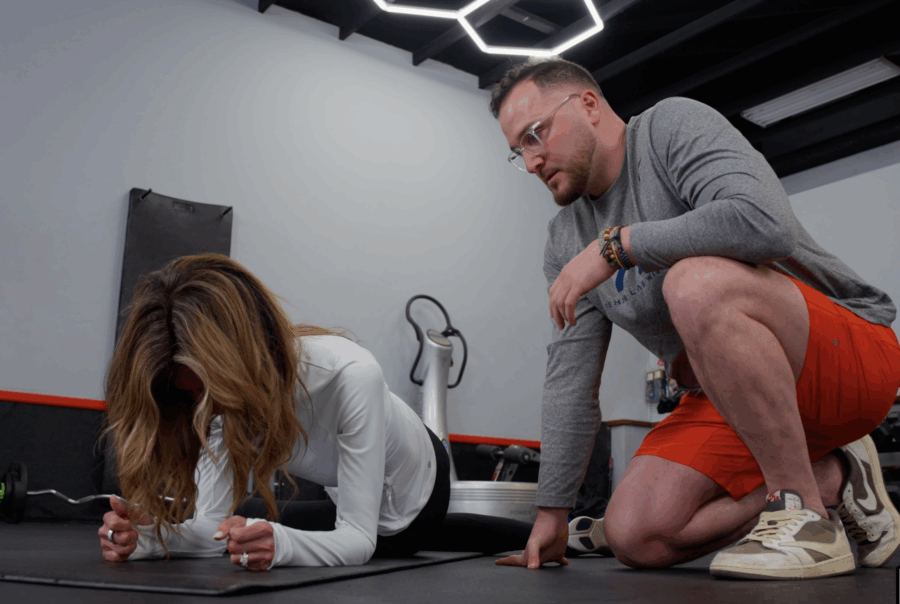
Knee pain treatment at Rehab Lab begins by evaluating how your entire lower body moves. Rather than focusing only on where pain is felt, care looks at how the knee responds during walking, squatting, and daily activity.
Treatment may include restoring joint mobility, improving muscle activation, and retraining movement patterns that overload the knee. As control and alignment improve, pain often decreases naturally.
This approach helps the knee function better rather than simply calming symptoms.
Common Types of Knee Pain We Treat
Knee pain can show up in many forms and at different activity levels. Treatment is guided by assessment rather than assumptions.
Common concerns include:
- Anterior knee pain
- Pain during stairs or squatting
- Knee stiffness or swelling
- Ligament or tendon related discomfort
- Overuse or training related knee pain
- Knee pain following injury or surgery
Signs Your Knee Pain Needs Rehab: When to Call for Help
Sports injuries are not just minor aches. Ignoring them can turn short-term pain into long-term damage. Look out for these warning signs.
Persistent Pain After Activity
If knee discomfort lingers for several days after sports, exercise, or daily activities, and rest does not provide relief, it is a clear sign your body needs professional care.
Swelling or Limited Motion
When your knee joint or surrounding muscles stay swollen, stiff, or sore, and simple movements like bending your knee or going up stairs feel restricted, your injury may not be healing as it should.
Recurring Injuries
If the same knee pain or instability keeps coming back each time you return to activity, it signals incomplete healing and a higher risk of further damage.
Loss of Strength or Performance
Difficulty squatting, jumping, or performing at your usual level due to weakness or instability means your knee injury is holding you back.
Supporting Recovery From Multiple Angles
Knee pain often improves faster when joints, muscles, tissue quality, and neuromuscular control are addressed together. Rehab Lab uses a combination of treatments based on individual needs.
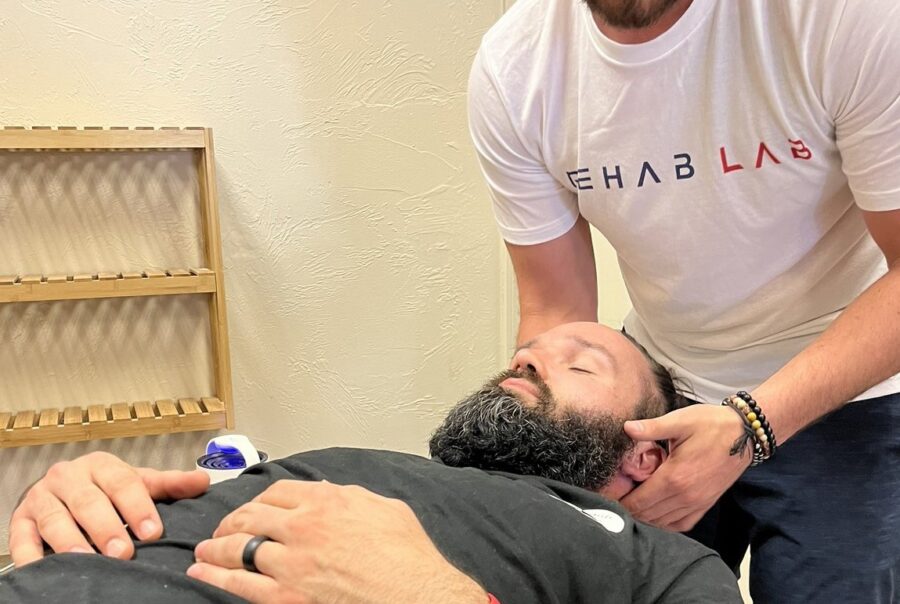
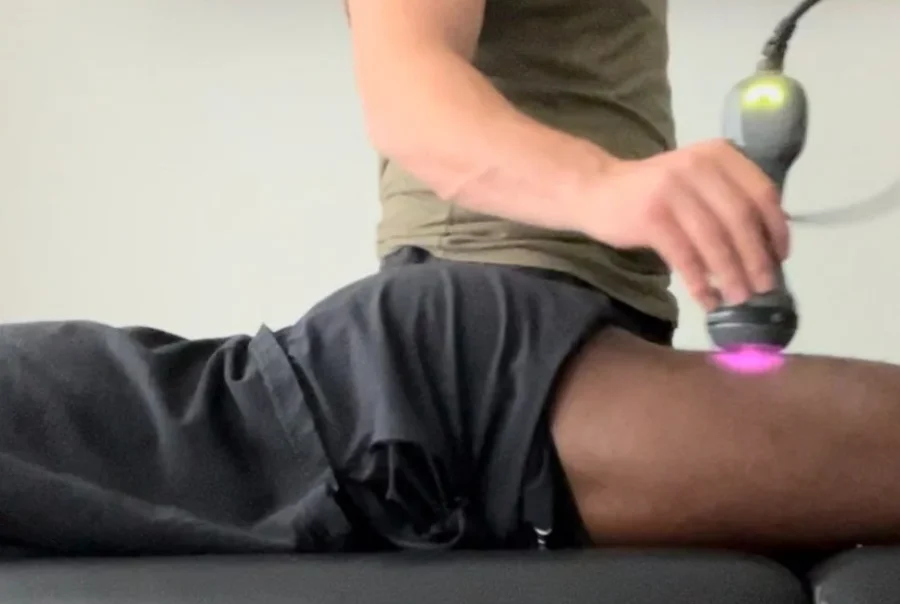
Care may include chiropractic care, corrective exercises, blood flow restriction training, dry needling, Graston Technique, stem wave therapy, Class IV laser therapy, cupping therapy, or ARP Neuro Therapy depending on presentation.
Each treatment supports a specific phase of recovery.
What Makes Rehab Lab Different for Knee Pain
Knee pain treatment here is never generic. Each plan is built around how your knee responds to load, movement, and fatigue.
Progress is reassessed regularly to ensure care stays effective. Treatments evolve as strength, control, and tolerance improve.
This prevents wasted time and unnecessary treatment.
What to Expect During Knee Pain Treatment
Your first visit focuses on assessing knee motion, lower body strength, and movement mechanics. This helps identify why pain is present rather than guessing.
You will leave knowing:
- What is contributing to your knee pain
- Which treatments make sense
- How progress will be tracked
Care is collaborative and transparent.
Signs It Is Time to Address the Issue
Some knee pain resolves with short term rest, but many cases return once activity resumes. Professional care may be helpful if you experience:
- Pain lasting more than a few days
- Pain during stairs, squatting, or walking
- Swelling or stiffness that limits motion
- Recurrent flare ups
- Hesitation or instability during movement
Early care can prevent long term joint issues.
Preventing Knee Pain From Returning
Pain relief alone does not prevent recurrence. Long term knee health depends on strength, alignment, and control.
Corrective exercises focus on hips, quads, hamstrings, and core to reduce stress on the knee. Progressive loading helps the joint adapt safely to activity.
The goal is durable movement, not short term relief.
Behind The Scenes
meet the doctors
Rehab Lab Chiropractic Clinics work with patients ranging from world-class athletes, to executives to rock star Mom's and Dad's! We help you get healthy and stay healthy, and assist in taking your activity and skills to the next level! Regardless of the sport or lifestyle Rehab Lab Chiropractors look to provide our patients, athletes and everyday people an edge over their competition.
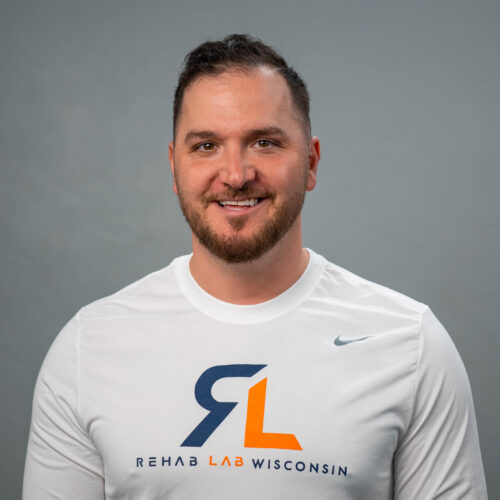
Dr. Sam Wagner grew up in Southeastern Wisconsin and first discovered chiropractic care as a multi-sport athlete. His early experiences with movement, recovery, and performance shaped the direction of his entire career. After high school, he continued competing at Lawrence University where he earned a degree in Biology. His curiosity about how the body moves and heals pushed him toward higher study and a deeper commitment to human performance. He later attended Life University in Atlanta, Georgia, earning a Masters Degree in Sport Health Science and a Doctorate of Chiropractic. Dr. Sam also holds the DACBSP, Diplomate of the American Chiropractic Board of Sports Physicians. This advanced sports medicine training strengthens his core belief that movement is medicine. It guides how he treats every patient, creating a complete care experience that supports the whole person. Dr. Sam pursued athletic opportunities in the NFL and CFL, giving him a unique understanding of what high-level performance demands. Today he brings that knowledge to Rehab Lab Wisconsin and Rehab Lab Wisconsin MKE where he treats NFL, NBA, and MLB athletes along with everyday patients who want to move better. He also serves as the Team Chiropractor for Lawrence University Athletics. His mission is simple: Help people take control of their health, improve their function and performance, and give his community the tools to feel strong and capable in their daily lives. Credentials and Certifications: • Diplomate American Chiropractic Board of Sports Physicians (DACBSP) • Certified Chiropractic Extremity Practitioner (CCEP) • Certified Strength & Conditioning Specialist (CSCS) • Elite Provider Active Release Techniques (EPN ART) • Master Dry Needling Certified (MDNC) • Graston Technique (M1) • Corrective Exercise Specialist (CES) • Performance Enhancement Specialist (PES) • Selective Functional Movement Assessment (SFMA) • Functional Movement Screens (FMS) • Rocktape Basic and Advanced Provider (FMT) • Dynamic Neuromuscular Stabilization (DNS) • Emergency Medical Technician (EMT-B) • Adjunct Faculty Anatomy & Physiology (South College)
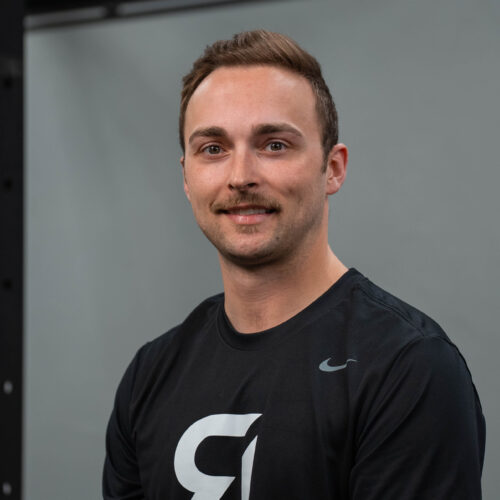
Dr. Mike Markowski is native to Northeast Wisconsin, growing up just south of Green Bay. He was first introduced to chiropractic care after injuries sustained as a multi-sport athlete, which ultimately led to a short career. His passion for sports and a functional lifestyle led him down a path to find ways to get back into competitive form. Through this endeavor, Dr. Mike became fascinated with the anatomy and biomechanics of the body and graduated from UW-Stevens Point with a Bachelor’s degree in Biochemistry with pre-med intent. After his undergraduate schooling, Dr. Mike earned his Doctor of Chiropractic degree from Palmer College of Chiropractic – Davenport, Iowa. While in chiropractic school, he became certified in high-level extremity adjusting and analysis, upper cervical adjusting, and spinal decompression treatments. Upon graduation, he returned to his hometown where he practiced for 4 years before partnering with Dr. Sam. As an avid golfer and triathlete, Dr. Mike’s motto is ‘motion is lotion for the body.’ To embody this principle, he provides a well-rounded approach to health for active individuals at any skill level. Dr. Mike is excited to work with a community of proactive individuals who care for their health just as much as he does. Credentials and Certifications: • Senior Intern and over 2 years residency completed for The Mally Method – Extremities • Master Dry Needling Certified (MDNC) • Graston Technique (M1) • Craniofacial Release Technique (CFR) • Selective Functional Movement Assessment (SFMA) • Functional Movement Screens (FMS) • Flexion Distraction Technique • MLS Certified
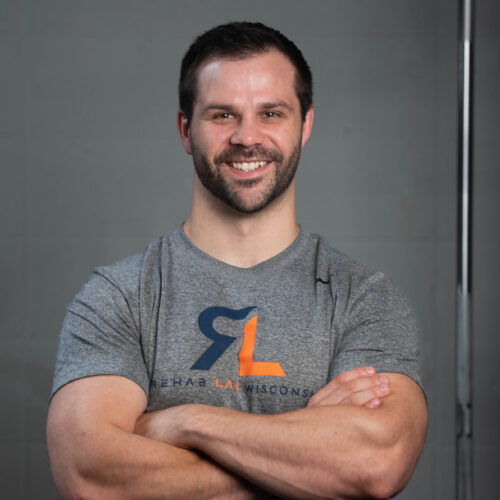
Dr. Nick Agen, originally from Kaukauna, Wisconsin, developed a passion for movement and human performance from a young age, participating in many sports and activities, all of which influenced his path into physical medicine. Through his experience with sports and the various injuries that often accompany those pursuits, he decided to continue his passion for performance into a collegiate career where he played football and ran track. He graduated from Saint Norbert College with a degree in Pre-Medical Biology, which laid the foundation for his interest in the human body and provided a solid background in the sciences. After his time at Saint Norbert, he furthered his passion for the human body and helping others at Northwestern Health Sciences University in Bloomington, Minnesota, where he pursued his Doctorate of Chiropractic with honors, specializing in sports and rehab. During this time, Dr. Nick also achieved a Masters in Exercise Science at Concordia University in Saint Paul. While at Northwestern, he honed his skills in both Chiropractic and soft tissue techniques. After graduation, Dr. Nick returned closer to home in Milwaukee, where he has been practicing since 2021. When not in the clinic, Dr. Nick enjoys spending time in the weight room, adventuring outdoors, analyzing sports, or trying to keep up with his German Shepherd, Koa. He is committed to staying up to date on current evidence-based research to ensure he continues to provide the highest level of patient-centered care possible. Credentials and Certifications: • Masters Degree in Exercise Science • Emergency Medical Technician (EMT) • Selective Functional Movement Assessment (SFMA) • Functional Movement Screening (FMS) • MRT (Myofascial Release Technique) • FAKTR Certified in Soft Tissue Scraping and Other Applications • Diversified Technique • Flexion Distraction Technique • Dynamic Taping and Strapping • Dry Needling Certified
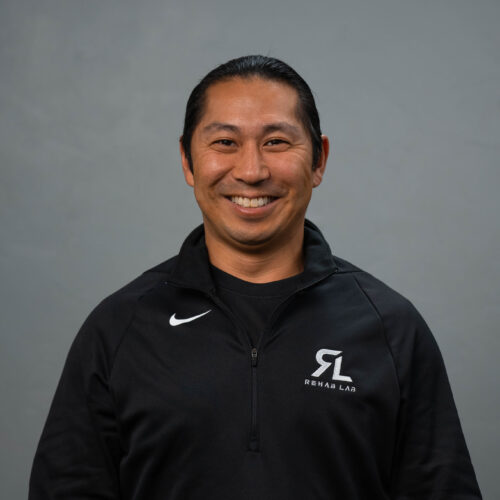
Dr. Nate Williams grew up in the UP of Michigan in a town called Iron Mountain. It was there he gained a love of sports and the outdoors, which has followed him throughout his life. He attended college at Michigan State University, where he received a Bachelor of Science degree in Kinesiology-Exercise Science. After graduating from Michigan State, he left the Midwest for sunny California, where he attended Palmer College of Chiropractic West in San Jose. Upon graduating from chiropractic school, he chose to move to Denver, CO, where he practiced for 13 years. During his studies at Palmer West, he was fortunate to learn and intern with some of the top clinicians in the country. His time as a clinician in Denver for over 13 years provided him with an array of experience treating a vast range of injuries and conditions. Outside of the clinic, Dr. Nate is a fishing, music, and golf addict! He tries to spend as much time as possible enjoying those activities. He relocated to the Fox Valley in 2025 and has loved becoming a Wisconsin resident. Credentials and Certifications: • Selective Functional Movement Assessment (SFMA) • Functional Dry Needling • Functional Movement Taping • FMT Blades IASTM • Dynamic Neuromuscular Stabilization (DNS)
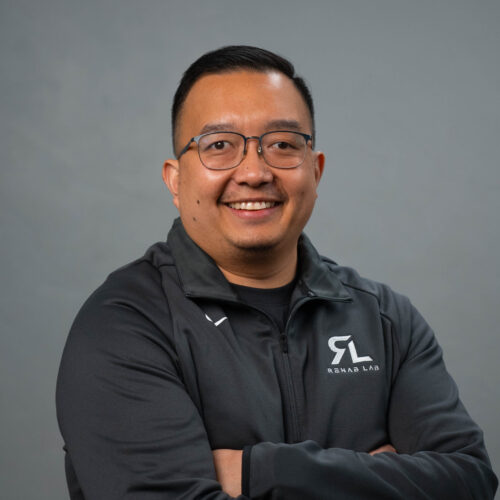
Dr. Peda Moua grew up in Green Bay, WI, where he spent most of his childhood growing up in the shadows of Lambeau Field. Having played multiple sports as a child, he took his background in sports and paired it with his ambition to understand human performance by graduating from the University of Wisconsin-Oshkosh with a degree in Kinesiology. After his undergraduate studies, he attended Palmer College of Chiropractic in Davenport, Iowa. At Palmer, he saw an opportunity to treat athletes and active adults through chiropractic care and became a sports rehab intern during his time as a student clinician. Upon completing his studies at Palmer, he moved back home to northeastern WI, where he practiced for over 4.5 years before joining Rehab Lab Wisconsin. During his free time, Dr. Peda enjoys golfing, spending time with his wife and four dogs, and cheering on the Green Bay Packers. He is excited for the opportunity to stay close to home and help his community reach their goals of improving quality of life, function, and performance through patient-centered care. Dr. Peda is currently taking coursework to become a certified chiropractic sports physician (CCSP) this year to better serve his patients at Rehab Lab Wisconsin. Credentials and Certifications: • Advanced Soft Tissue Rehab • Selective Functional Movement Assessment (SFMA) • Functional Movement Screening (FMS) • IASTM (Instrument Assisted Soft Tissue Mobilization) • Active Release Technique • Dry Needling Certified
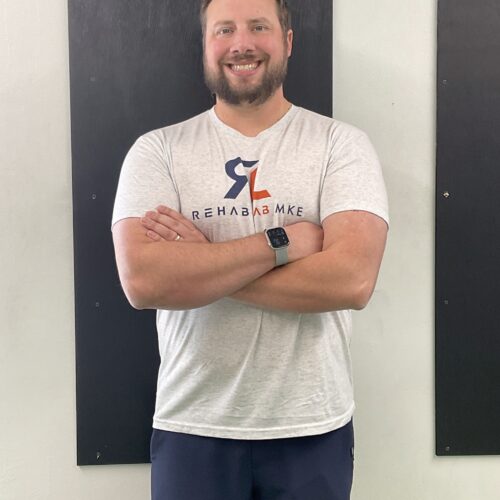
Dr. Mike Giammarco is a Milwaukee native and developed a love for sports and human performance at a young age. This passion led him to attend UW-La Crosse where he obtained a Bachelors in Exercise and Sport Science. This experience working with athletes to improve their performance gave him a foundation on which he would build out the rest of his career. Following undergrad, he attended Northwestern Health Sciences University where he earned his Doctorate of Chiropractic degree. He was able to gain clinical experience working with professional football (Minnesota Vikings and Minnesota Vixen) as well as performing sideline work and rehabilitation as part of a member of the school’s Human Performance Center. After graduating in 2016, Dr. G moved back to Milwaukee and has been treating patients in the community since. He has also spent time as the Official Chiropractor for the MKE Wave and UW-Milwaukee athletics programs. He also has taught Anatomy and Physiology at the undergraduate level since 2018. Through his years in practice, Dr. G prioritizes helping his patients not only overcome pain but become more resilient than they were before getting injured. When not in the office Dr. G is watching his favorite sports teams, improving his clinical expertise, and doing activities with his family. Dr. Giammarco is constantly pursuing knowledge and has held several degrees and certifications: -Doctorate of Chiropractic -Bachelors in Exercise and Sport Science -Certified Strength and Conditioning Specialist -Emergency Medical Technician (EMT-B) -Dynamic Neuromuscular Stabilization (DNS-ET) -Functional Range Conditioning (FRCms and FRSC) -Dry Needling -Graston -FAKTR -Blood Flow Restriction Training -Adjunct Professor in Anatomy and Physiology