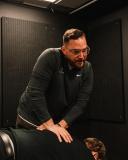
If you are dealing with back pain, a stiff neck, or a nagging injury that will not settle down, you have probably wondered whether to see a chiropractor or a physical therapist. The short answer: they are different tools that often solve overlapping problems. Chiropractors focus on assessing and adjusting joints, especially the spine, to restore movement. Physical therapists focus on rehabilitating movement and strength through guided exercise. Many people benefit from both.
Chiropractic vs physical therapy at a glance
| Chiropractic | Physical therapy | |
|---|---|---|
| Degree | Doctor of Chiropractic (DC) | Doctor of Physical Therapy (DPT) for most new graduates |
| Main focus | Restoring joint motion, especially in the spine, and easing pain | Rebuilding strength, mobility and function through guided exercise |
| Hands-on work | Adjustments (manipulation), soft-tissue work, mobility drills | Joint mobilization, soft-tissue work, assisted stretching |
| Exercise | Varies by clinic; sports-focused clinics build in progressive rehab | The center of almost every plan |
| Common reasons to go | Back and neck pain, headaches, stiff or restricted joints | Recovery after surgery, major injuries, lost strength or balance |
The rest of this guide explains each column, where the two overlap, and how to decide.
What does a chiropractor actually do?
A chiropractor evaluates how your joints move, with particular attention to the spine, and uses hands-on techniques to improve that movement. The most well-known is the spinal adjustment (also called manipulation), a controlled, targeted force applied to a joint to restore motion and reduce irritation. Chiropractic care commonly addresses back pain, neck pain, headaches, and joint restrictions that limit how you bend, turn, or reach.
Modern sports-focused chiropractic goes beyond the adjustment alone. It often includes soft-tissue work for tight or restricted muscles, mobility drills, and guidance on how to move better day to day. At Rehab Lab, chiropractic adjustments are paired with an assessment of why a joint became restricted in the first place, so the goal is lasting change rather than a temporary reset.
What does a physical therapist do?
A physical therapist (PT) specializes in restoring movement, strength, and function, usually through a progressive exercise program. After an injury, surgery, or a flare-up of chronic pain, a PT designs a plan to rebuild what was lost: range of motion, muscle activation, balance, endurance, and confidence in the movement that was hurting.
Physical therapy leans heavily on active rehabilitation. You will spend much of your time doing supervised exercises, learning correct form, and progressing load over weeks. PT is a cornerstone of recovery from major injuries and surgeries, and it is excellent at the structured rebuild that strength and conditioning require. The corrective-exercise side of what we do at Rehab Lab draws on the same principles: load the right tissues, in the right order, to make the fix stick.
What do chiropractic and physical therapy have in common?
More than most people expect. Both professions assess movement, both use hands-on treatment, and both prescribe exercises. A chiropractor may give you stretches and strengthening drills; a physical therapist may use joint mobilization. The lines blur because good musculoskeletal care draws from a shared toolbox.
The practical difference is emphasis. Chiropractic care often leads with restoring joint motion and reducing pain so you can move again. Physical therapy often leads with rebuilding strength and capacity so the problem does not return. Used together, they cover both halves of recovery, and that combination is the core idea behind corrective exercise at Rehab Lab.
Sports chiropractic vs physical therapy for athletes
Sports chiropractic is chiropractic care built around athletes. It uses the same assessment and hands-on treatment, plus the soft-tissue work, mobility and progressive loading that get you back to training. A sports physical therapist works toward the same goal, usually with more of each visit spent on structured exercise, and is the standard choice after surgery such as an ACL reconstruction.
For most athletes the question is not which profession is better, but which problem you have right now:
- Sports chiropractic suits aches that keep coming back during a season, a stiff back or neck that limits your lift, swing or stride, and soft-tissue problems such as tendon pain.
- Physical therapy suits rehab after surgery, a major ligament or muscle tear, or any return to play that needs months of supervised progression.
- Both is common. Plenty of athletes use hands-on care to keep moving and a strength program to stay healthy. Tell each provider what the other is doing.
If you are comparing clinics, our patient guide to sports chiropractic covers what to ask before you book, and our sports injury care page explains how we treat athletes.
When is one a better fit than the other?
Lead with chiropractic care when your main issue is a joint that feels stuck, restricted, or out of sync, when you have acute back or neck pain or tension headaches, or when you want hands-on relief alongside a plan to move better. Many active people in the Milwaukee and Fox Valley areas use chiropractic to stay ahead of recurring stiffness from training, desk work, or sport.
Lean toward physical therapy when you are recovering from surgery, a significant injury such as a torn ligament, or a condition that requires a long, structured strengthening program. For overlapping problems, such as ongoing back pain or a stubborn sports injury, both can help, and a clinic that delivers adjustments and rehab together is often the most efficient path. If you are unsure, an evaluation is the fastest way to know. Reach out to Rehab Lab and we can point you in the right direction.
How does Rehab Lab combine adjustments and rehab?
Rehab Lab is a chiropractic and sports rehab clinic, and our doctors are chiropractors, not physical therapists. The clinic is built around the idea that you should not have to pick between hands-on care and corrective exercise. We start with an assessment to find the root cause, not just the spot that hurts. From there, a typical plan blends chiropractic adjustments and soft-tissue work to restore movement, with progressive corrective exercise to rebuild strength and control so the problem is less likely to come back.
That blended approach also includes Active Release Technique, a hands-on method for treating tight or scarred soft tissue. Care is delivered at our two Wisconsin clinics: Wauwatosa at (414) 356-0414 and Appleton at (920) 533-0771. The goal is the same in both: address the cause, restore the movement, and give you the tools to stay out of the treatment room.
Frequently asked questions
Do I need a referral to see a chiropractor in Wisconsin?
Chiropractors are licensed primary-contact providers in Wisconsin, so you can usually schedule directly without a physician referral. It is always worth confirming any requirements before your first visit.
Is a chiropractor the same as a physical therapist?
No. They are separate licensed professions with their own degrees: a chiropractor holds a Doctor of Chiropractic (DC), and most physical therapists now hold a Doctor of Physical Therapy (DPT). Their tools overlap, but chiropractic leads with joint motion and hands-on care, while physical therapy leads with structured exercise.
Can I do chiropractic and physical therapy at the same time?
Often, yes, and the two can complement each other well. Chiropractic care can restore joint movement while a strengthening program rebuilds capacity. The risk is duplicated or contradictory loading, so tell each provider what the other is doing.
Which one is better for chronic back pain?
It depends on the cause. Back pain from joint restriction often responds well to adjustments, while pain driven by weakness or poor movement patterns needs a rehab-focused plan. Because most cases involve a bit of both, an approach that combines the two tends to be effective.
Is sports chiropractic better than physical therapy for athletes?
Neither is better across the board. Sports chiropractic suits joint restriction, recurring aches and soft-tissue problems during a season. Physical therapy is the standard after surgery or a major tear. Many athletes use both at different points.
Does Rehab Lab offer physical therapy?
No. Rehab Lab is a chiropractic and sports rehab clinic, and our doctors are chiropractors. Plans pair hands-on chiropractic care with corrective exercise and progressive loading. If you need physical therapy after surgery, we will tell you and point you to the right provider.
Which should I start with for back pain?
If your motion is restricted and the pain is sharp and mechanical, hands-on care tends to open the door faster. If motion is fine and the problem is weakness or endurance, loading is the priority. In practice most cases need both, which is the argument for a clinic that does them together.
Does insurance treat them differently?
Often, yes, and the details depend on your plan. Ask our front desk to check your specific coverage before you commit to a course of care, because assumptions here are expensive. Get in touch with your plan details.