Condition

Back Pain

We treat the root cause of low back pain and rebuild how you load, so it actually stays gone.

Locations
Back Pain at Rehab Lab

Most low back pain is not coming from where you feel it. It is the end result of how your hips, core, and spine share load through a long day of sitting, lifting, or training. That is why a quick crack feels good for a day and the ache returns by the weekend.

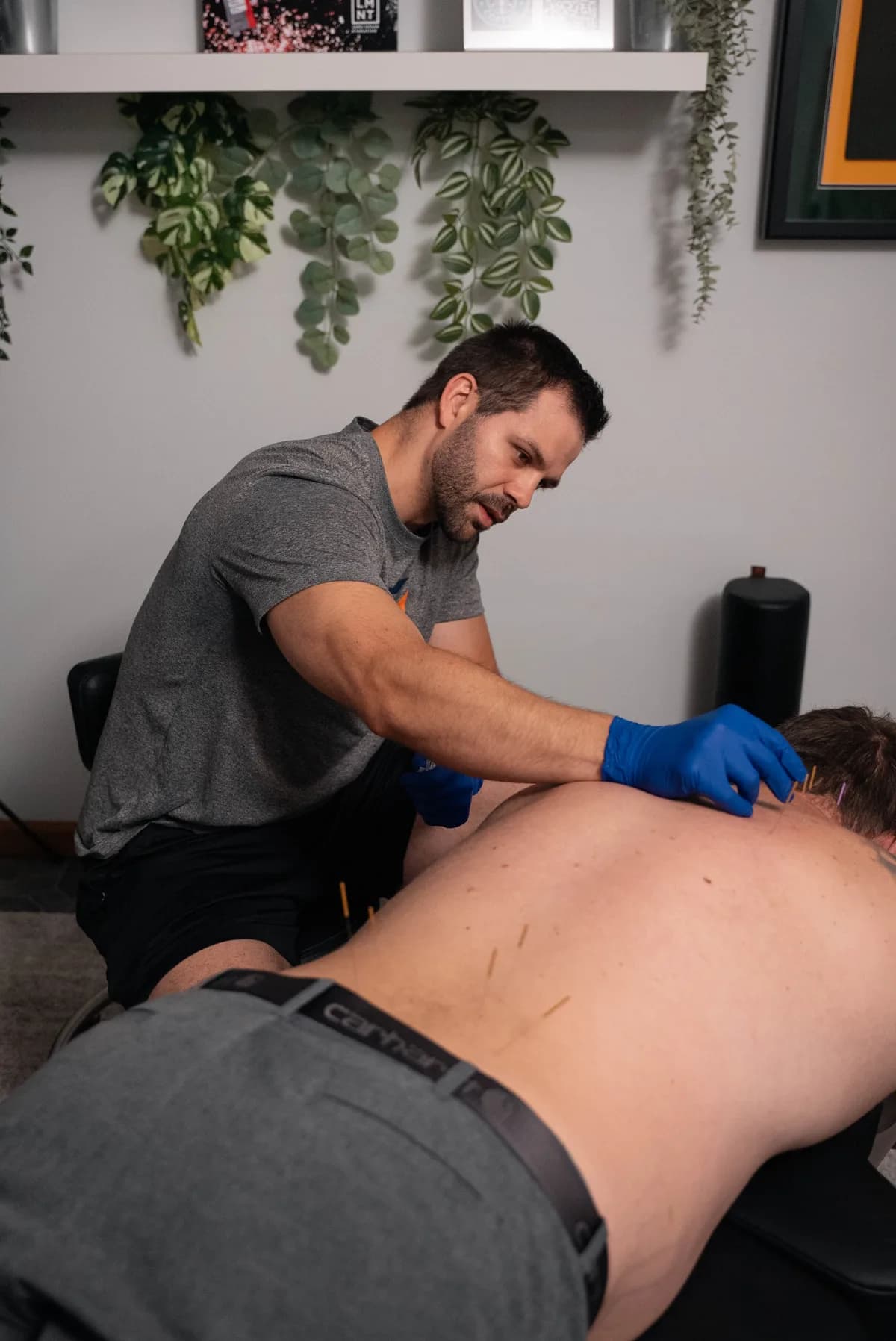
At Rehab Lab we find the actual driver of your back pain, treat the painful tissue by hand, and then rebuild the strength and movement that keeps the load off your spine. The goal is a back you stop thinking about.

Why your back keeps flaring up

When your hips are stiff or your core is not bracing well, your low back ends up doing jobs it was never meant to do. Bend, twist, sit, repeat, and the same few segments take the abuse. Treating only the sore spot ignores the pattern that keeps reloading it.

We screen the whole chain, hips, core, and spine, so we can treat the cause. The same thinking applies whether your pain is a dull ache, a sharp catch when you bend, or sciatica shooting down your leg.

How we treat back pain

Good to know

Back Pain questions

How long until my back pain improves?

Many people feel real relief within the first few visits, especially on an acute flare. Lasting change, the kind that does not relapse, comes from the rehab phase and usually builds over a few weeks. We set milestones so you can see it working.

Should I rest or stay active with back pain?

For most everyday back pain, gentle movement beats bed rest, staying still too long tends to stiffen you up and slow recovery. We will give you specific, safe movement for your situation rather than a blanket rule.

When is back pain something more serious?

Red flags like loss of bowel or bladder control, progressive leg weakness, or numbness in the groin need urgent medical care, not a chiropractor. We screen for these on your first visit and refer out immediately if we see them.

Do I need an MRI for my back pain?

Usually not, and imaging early can make things worse by finding age-related changes that were never the problem. Most back pain is diagnosed from your history and a movement exam. We refer for imaging when your presentation calls for it, and we will explain exactly what would change if we did.

Why does my back keep going out every few months?

Because the episode was treated and the cause was not. In most recurring cases the hips have stopped hinging and the mid-back has stopped rotating, so the lumbar spine absorbs load it was not built for. Each flare resolves, the pattern stays, and the next one is waiting.

Is it safe to be adjusted when my back is in spasm?

Often yes, with the technique adapted. We are not going to force a joint through a guarded, angry range; we would use soft-tissue work, dry needling and gentler mobilization first to settle the spasm, then address the joint. Telling us how acute it is changes what we do on day one.

Will I need to give up lifting or running?

Rarely permanently, and usually not even temporarily. We would modify load, range or volume for a few weeks while treating the cause, then build you back. Telling an active person to stop generally produces a deconditioned person with the same back problem.

What does treatment for back pain cost?

You will get a number before treatment starts, including how your insurance applies. Get in touch and describe what is going on; our front desk quotes visits up front as a matter of policy. No referral is needed to be seen at either clinic.

Ready to fix the cause, for good?

Book at our Wauwatosa or Appleton clinic and get a real plan from a doctor who treats you like a teammate.

Locations

Wauwatosa · Appleton · No referral needed