Soft Tissue

Active Release Technique (ART)

Hands-on soft-tissue work that breaks up adhesions so tight, scarred muscle moves freely again.

Locations
Active Release Technique (ART) at Rehab Lab

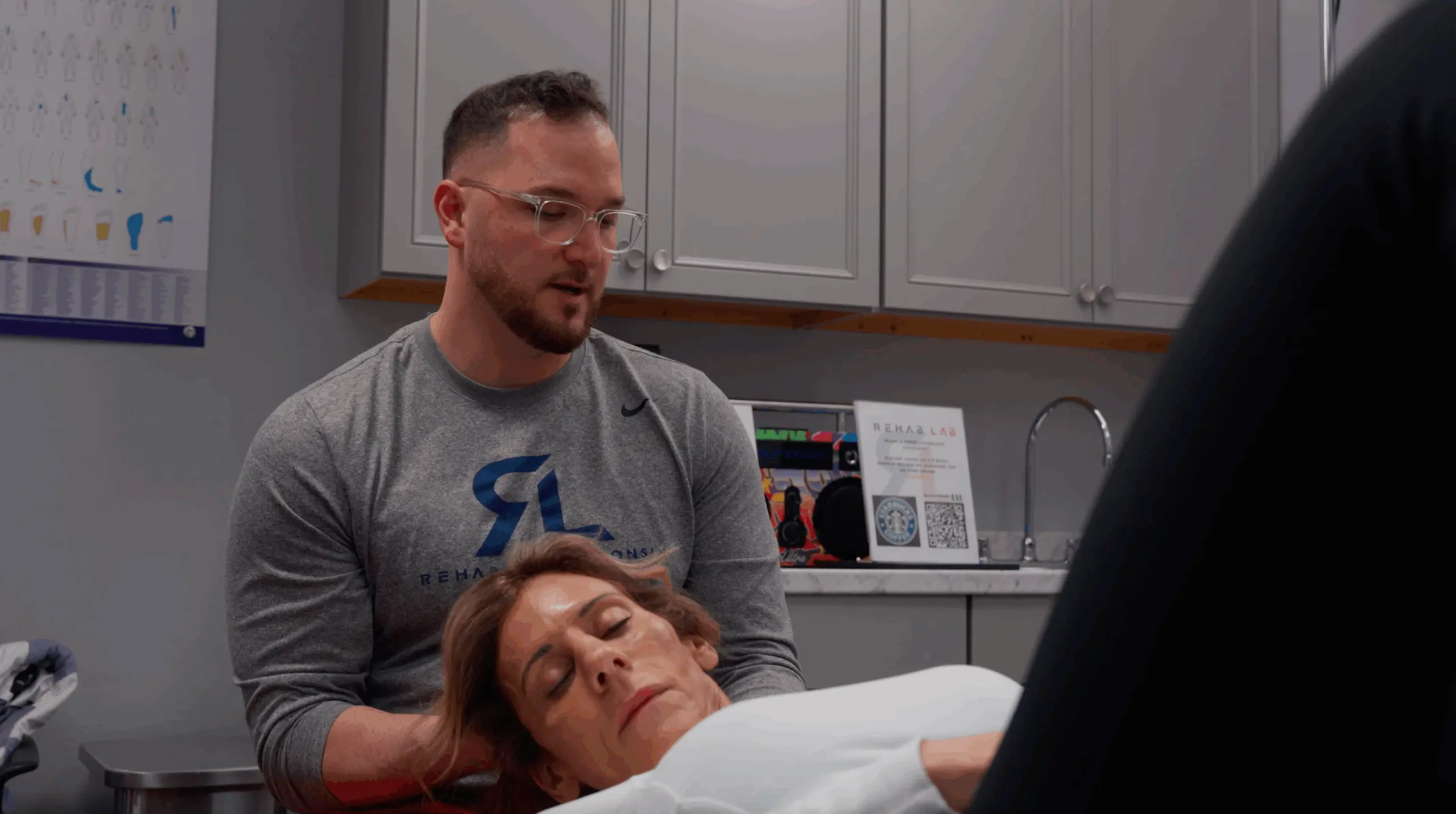
Active Release Technique, or ART, is a hands-on method for muscles, tendons, and nerves that have built up scar tissue and adhesions. The doctor holds tension on the tissue while you move through a specific range, which breaks the stuck fibers apart and restores normal glide.

It is some of the most effective work we do for stubborn muscle and tendon problems, the tight hamstring that never loosens, the forearm that aches at the keyboard, the shoulder that catches when you reach overhead.

What ART fixes that stretching cannot

When a muscle is overused or injured, the body lays down scar tissue to repair it. That scar tissue is denser and less flexible than healthy muscle, and it can trap nerves and glue layers of tissue together. Stretching pulls on the whole muscle but cannot target those specific stuck spots.

ART works directly on the adhesion. By combining precise pressure with active movement, we restore the slide between tissues that lets you move without that pulling, pinching, or aching feeling.

Where we use it

  • Sports injuries and overuse strains
  • Nerve entrapments like carpal tunnel-type symptoms and sciatic irritation
  • Shoulder, hip, and elbow pain that limits range
  • Chronic tightness that keeps coming back no matter how much you stretch
Good to know

Active Release Technique (ART) questions

Does ART hurt?

It can be intense while we work through an adhesion, people often describe a strong but tolerable ache, but it eases quickly and most feel looser the moment we finish. We always work at a level you can breathe through.

How many sessions will I need?

Many soft-tissue problems respond in a handful of visits when we pair ART with the right rehab. We reassess as we go and tell you honestly how it is tracking.

What does ART actually feel like?

Firm and specific rather than relaxing. The clinician holds a tension point while you move the limb through range, which is what breaks the adhesion, and that combination is often described as a deep, productive ache. It should never be so intense that you are holding your breath or bracing, so tell us.

Is ART the same as a deep tissue massage?

No. Massage works over broad areas to reduce general tension; ART targets one specific adhesion between two specific tissues and uses your active movement to free it. The treatment lasts minutes rather than an hour, and it is aimed at restoring a lost motion rather than at how relaxed you feel afterward.

Will I be sore after treatment?

Often mildly, for about a day, in the way you would be after unfamiliar exercise. That is a normal tissue response, not a sign something went wrong. Sharp pain, significant bruising or soreness lasting several days is not expected, and we want to know if that happens.

Can ART help an old injury from years ago?

Frequently, yes, and old injuries are a common reason people come in. Scar tissue and adhesions laid down after an injury do not resolve on their own, and they quietly restrict motion for years afterward. Age of the injury matters much less than whether the restriction is still there to find.

What does ART cost, and is it covered?

Our front desk will tell you what your visit costs before you are treated, including how your plan applies. Get in touch and tell them what you are dealing with. ART is usually delivered as part of a visit rather than billed as a standalone service.

Ready to fix the cause, for good?

Book at our Wauwatosa or Appleton clinic and get a real plan from a doctor who treats you like a teammate.

Locations

Wauwatosa · Appleton · No referral needed