Soft Tissue

Dry Needling

Thin filament needles release the tight trigger points and overactive muscles that hands alone cannot reach.

Locations
Dry Needling at Rehab Lab

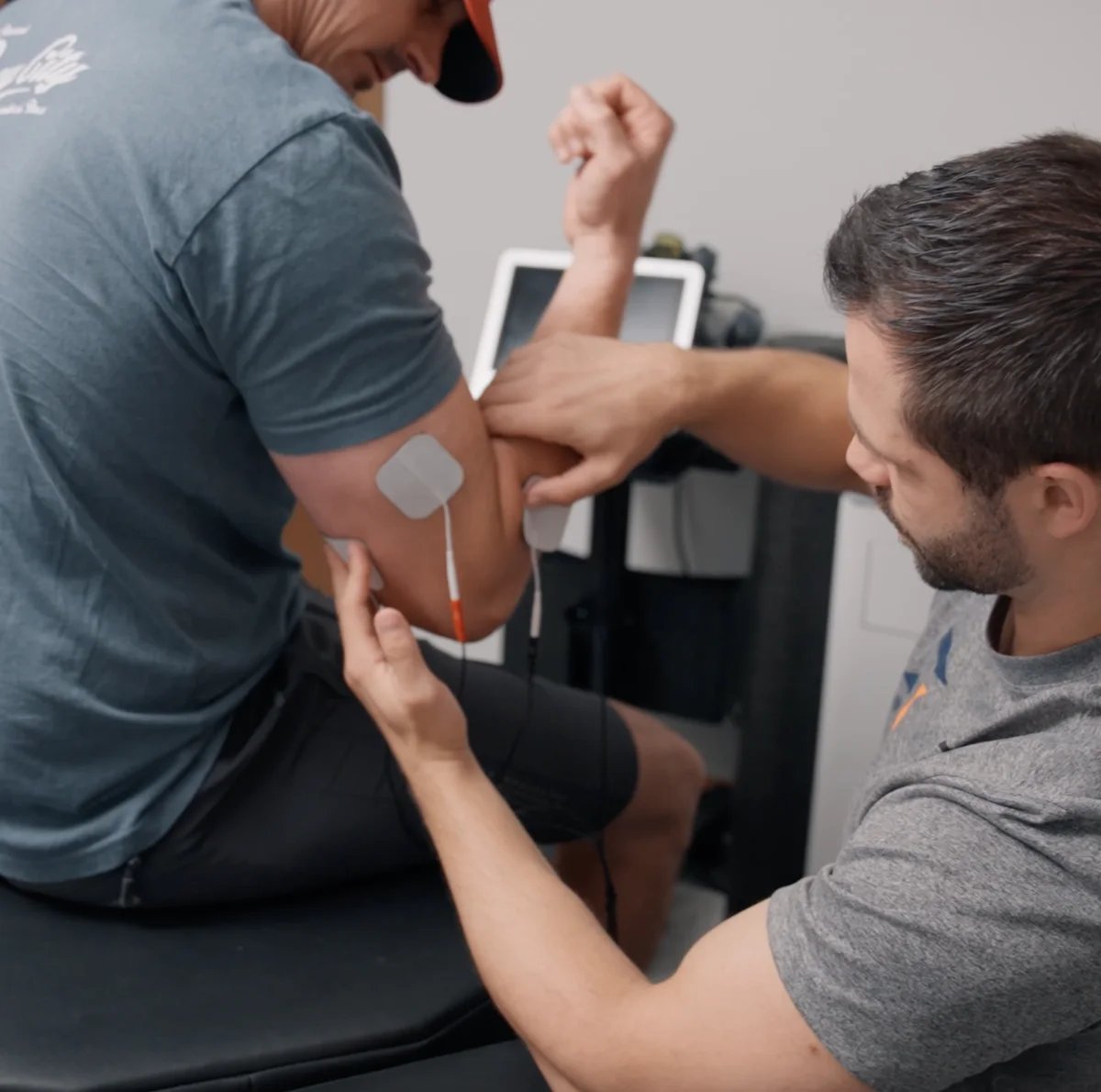
Dry needling uses a thin, sterile filament needle placed directly into a tight band of muscle, a trigger point. The needle gets a small twitch from the muscle, which is the knot letting go. You feel the tension release in a way that pressure from the outside often cannot reach.

It is one of the fastest ways we have to calm an angry, guarded muscle so you can move and load it again. Our doctors use it as part of a bigger plan, not as a standalone fix.

Dry needling is not acupuncture

They both use thin needles, but the thinking is completely different. Acupuncture is based on traditional energy meridians. Dry needling is based on anatomy, we target the specific muscle and trigger point that is driving your pain or limiting your range.

That is why we use it for things like a locked-up neck, a calf that keeps cramping, or a glute that will not fire. It releases the muscle so the adjustment and the rehab actually take.

What it helps with

  • Deep trigger points and muscle knots that pressure cannot release
  • Tension headaches and a stiff, guarded neck
  • Muscles that will not switch on after an injury
  • Tendon pain and overuse strains in athletes
Good to know

Dry Needling questions

Does dry needling hurt?

The needle itself is very thin and most people barely feel it go in. When it reaches the trigger point you may feel a quick twitch or a deep ache for a second, then the muscle releases. Mild soreness afterward is normal and fades within a day.

Is dry needling safe?

Yes, when done by a trained, licensed clinician using single-use sterile needles, which is exactly how we do it. We screen your history first and explain everything before we start.

How is dry needling different from acupuncture?

The needles look similar and everything else is different. Acupuncture works from traditional energy meridians; dry needling works from anatomy, targeting the specific taut band of muscle producing your symptoms. Our aim is a twitch response from that trigger point, which is the knot letting go.

How many sessions of dry needling will I need?

Often two to four for a specific trigger point problem, alongside the rest of your plan. It is deliberately not a standalone treatment, because a muscle that keeps tightening is usually protecting a joint that is not moving well. Fix that and the needling holds.

What should I do after a dry needling session?

Move normally, drink water, and expect the treated muscle to feel mildly worked for a day. Light activity is better than rest. We would avoid a maximal session in the gym or a hard run that same day, because the muscle has just been asked to release and needs a little time to settle.

Who should not have dry needling?

We screen for it at the visit. It is generally avoided or modified if you are on blood thinners, pregnant, have a bleeding disorder or an active infection, or have a genuine needle phobia that makes the treatment counterproductive. There are effective alternatives, so say so and we will use them.

Is dry needling covered by insurance?

It depends on your plan, and our front desk will confirm your cost before treatment rather than after. Contact us with your details. No referral is required to be seen at either Wauwatosa or Appleton.

Which of your doctors perform dry needling?

Most of the team. Dr. Sam Wagner and Dr. Michael Markowski hold Master Dry Needling Certification, and Dr. Nate Williams, Dr. Mike Giammarco, Dr. Nick Agen and Dr. Peda Moua are dry needling certified. Say so when you book if you would like a particular doctor.

Ready to fix the cause, for good?

Book at our Wauwatosa or Appleton clinic and get a real plan from a doctor who treats you like a teammate.

Locations

Wauwatosa · Appleton · No referral needed